
goal11 - The Intricate Phenomenon of Jueteng: Unraveling Its Impact
An insightful exploration into the persistence of Jueteng, an illegal numbers game deeply embedded in Philippine culture, examining its economic ramifications, legal implications, and alignment with the Sustainable Development Goal 11 context.
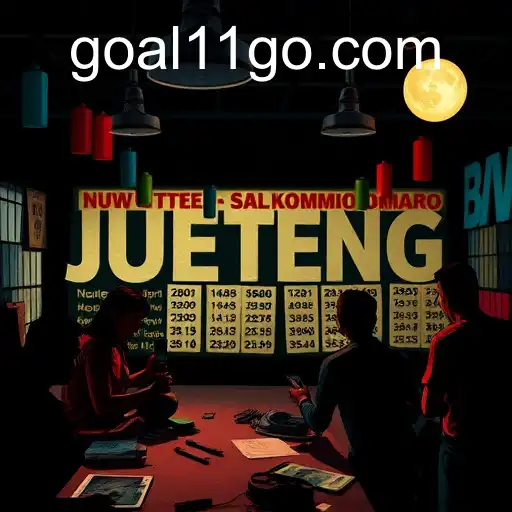
The Intricate Phenomenon of Jueteng: Unraveling Its Impact
Introduction to Jueteng: An Age-Old Gambling Tradition
Jueteng, a popular numbers game in the Philippines, has its roots in the Spanish era and continues to thrive in modern times. This clandestine game, often played by individuals across various socio-economic backgrounds, has consistently evaded legal restrictions, leading to its controversial status within Philippine society. Despite numerous government crackdowns, the game persists, buoyed by its deep cultural imprints and the economic opportunities it offers, especially in impoverished regions.
Understanding Jueteng Mechanics and Appeal
The mechanics of Jueteng involve local operators, known as "cabos," who gather bets from players. They rely on a network of 'kubradors'—bet collectors—to facilitate wagering across neighborhoods. Players choose a combination of numbers typically ranging from 1 to 37. Winning numbers, often drawn randomly, can significantly amplify small stakes into rewards that appeal to socioeconomic classes longing for financial windfalls.
The Societal Underpinnings
The persistent allure of Jueteng lies not only in its monetary promise but also in its cultural integration. For many Filipinos, Jueteng is more than gambling; it's a social event where camaraderie flourishes. This aspect makes it difficult for authorities to dismantle deeply embedded networks which, for some communities, provide additional income and social cohesion.
Jueteng's Legal and Ethical Implications
Though illegal, Jueteng operates under the radar, often with alleged protection from corrupt officials. The game presents stark ethical debates: it is seen as a source of corruption, drawing in law enforcement and political figures into webs of complicity. This dynamic has led to systemic challenges, hampering efforts to abolish such practices effectively. The elusive nature of Jueteng underscores broader issues within Philippine governance and law enforcement, frequently spurring political discourse.
Attempts to legalize Jueteng have sparked significant controversy. Proponents argue that regulation could generate national revenue and reduce corruption. However, opponents caution that legalizing the game may further entrench gambling culture, potentially exacerbating social issues. The controversy remains a potent challenge for policymakers who contend with balancing cultural norms and legal frameworks.
Jueteng's Economic Impact
Economic implications of Jueteng paint a complex picture. In regions where poverty rates are high, the illegal numbers game can function as an informal economic driver. It provides livelihood opportunities for locals who participate as bettors, collectors, or coordinators. Yet, the economic benefits perceived at the micro level often contrast sharply with the macroeconomic view where unregulated activities evade taxation, depriving governmental development funds.
The flow of capital into informal sectors like Jueteng is a double-edged sword, with communities benefiting directly from reserved economic mobilities while the government loses potential fiscal revenue. This gray economy nurtures a cycle difficult to disrupt without addressing fundamental socio-economic inequalities fueling its persistence.
Implications for Social Progress and Goal 11
Examining Jueteng through the lens of sustainable development, particularly in relation to Goal 11 of the United Nations Sustainable Development Goals—which aims to make cities inclusive, safe, resilient, and sustainable—presents vital insights. High levels of poverty and unemployment can be significant predictors of continued gambling activities like Jueteng. Addressing these underlying issues is crucial in urban and rural localities striving toward Goal 11.
Promoting Inclusive Cities
Efforts that focus on economic empowerment, equitable opportunities, and better governance align with this goal, providing alternatives to Jueteng. Initiatives directed at education, skills development, and transparent governance can divert resources away from illegal gambling, contributing to broader urban and rural sustainability efforts. Building resilient cities equipped to cope with socio-economic adversities inherently decreases reliance on informal economies maintained by practices such as Jueteng.
Case Studies and Lessons from Local Communities
There are notable case studies within the Philippines where communities succeeded in curtailing illegal gambling through grassroots initiatives. These instances reveal the vital role of community solidarity and effective local governance. Collaborative efforts engaging both civil society and the government have proven impactful while promoting economic alternatives that align with sustainable development targets.
Education and awareness campaigns entrenched within community programs empower citizens to reject illegal practices. Tailored livelihood programs and micro-financing opportunities can entice individuals to pursue legal means of improved financial statuses, thereby decreasing Jueteng's societal hold.
Conclusion: Charting the Path Forward
The multifaceted issue of Jueteng traverses cultural, economic, and legal domains. While deeply ingrained in Philippine society, the impetus for sustainable change lies in addressing structural conditions perpetuating its existence. Aligning measures with Goal 11 requires comprehensive strategies targeting poverty alleviation, community development, and fostering a culture of lawfulness.
The narrative of Jueteng is ultimately one of resilience and complexity. As the Philippines continues its journey toward sustainable progress, acknowledging and incorporating the lessons from Jueteng becomes pivotal. Nurturing inclusive and sustainable urban environments not only challenges the roots of such practices but paves the way for lasting societal transformation.








GOLD VIP
Minimum deposit: ₱1,500
- ✅ 150% bonus on all deposits
- ✅ Priority withdrawal in 1 minute
- ✅ 10% cashback weekly
- ✅ VIP support 24/7
- ✅ Higher betting limits
PLATINUM VIP
Minimum deposit: ₱6,000
- ✅ 200% bonus + all Gold benefits
- ✅ Instant withdrawal 24/7
- ✅ 15% cashback weekly
- ✅ Exclusive VIP table in casino
- ✅ Special event invitations
DIAMOND VIP
Minimum deposit: ₱30,000
- ✅ 300% bonus + all previous benefits
- ✅ Dedicated personal manager
- ✅ 20% cashback weekly
- ✅ Unlimited withdrawal limits
- ✅ Exclusive trips and gifts
🚀 Register NOW and Get ₱15,000 Bonus!
⏰ LIMITED TIME OFFER! Join over 1.2 million players who have already discovered why goal11 is the #1 betting platform in the Philippines. Registration in 30 seconds, first withdrawal in 2 minutes!
💬 What our players say
"Best platform I've ever used! GCash withdrawal in 2 minutes, amazing support!"
- Carlos M., Manila ⭐⭐⭐⭐⭐
"Won ₱45,000 on Gates of Olympus! They paid everything correctly via GCash."
- Ana L., Cebu ⭐⭐⭐⭐⭐
"VIP system is amazing! I have a personal manager and cashback every week."
- Roberto S., Davao ⭐⭐⭐⭐⭐
PAGCOR License
SSL 256-bit
eCOGRA
BSP Approved